Sam Simon · 2 September 2026
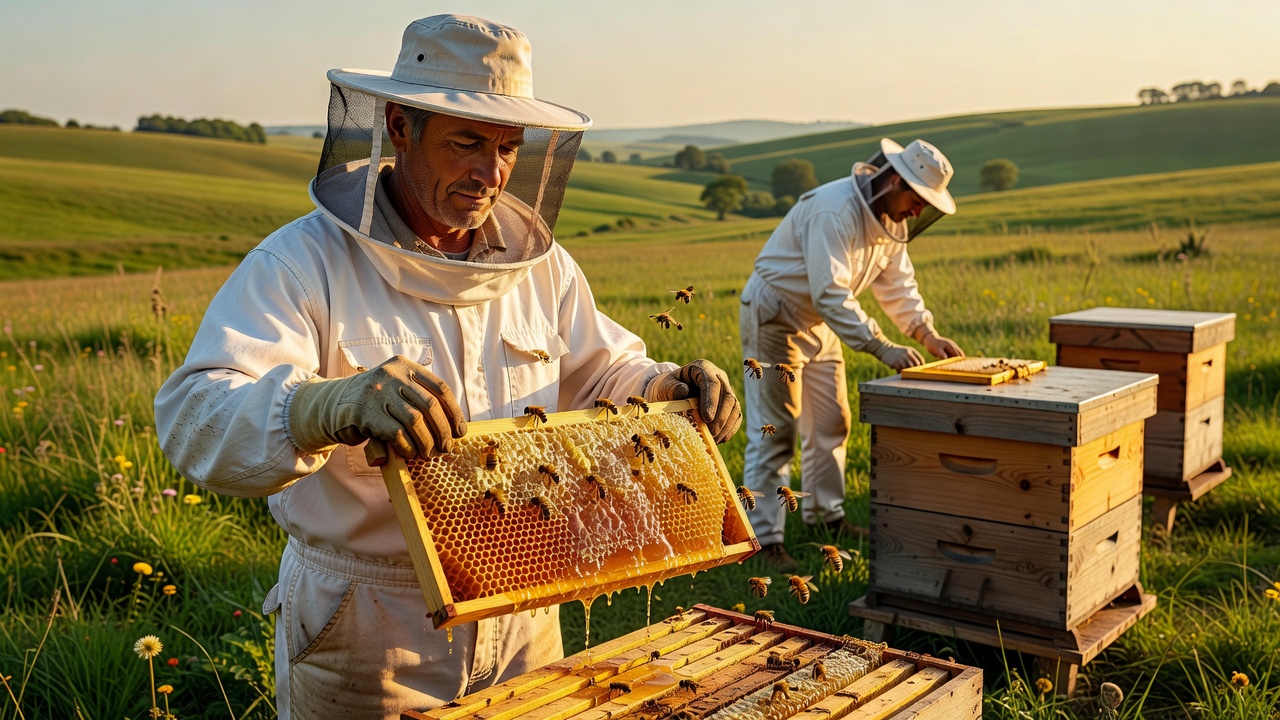
Honeyvale Valley beekeepers are reporting exceptionally strong honey yields this season following a mild winter that supported robust colony health and extended foraging opportunities.
Impact of Mild Winter on Bee Colonies
The mild winter temperatures allowed bee colonies to conserve energy and maintain larger populations throughout the colder months. Typically, harsh winters lead to substantial losses, but this year survival rates were high. Beekeepers like Sarah Kline from the eastern part of the valley reported that her hives produced an average of 80 pounds of honey per colony, up from the usual 60 pounds. The extended foraging period in late fall and early spring contributed to substantial honey stores. Additionally, the absence of extreme cold snaps meant less need for supplemental feeding, reducing costs for many operators. Scientists from the regional agricultural extension have confirmed that the weather patterns supported the development of strong nurse bees and foragers. This has resulted in vibrant colonies ready for the main nectar flow season. Furthermore, the valley's diverse flora benefited from the warmer conditions, leading to earlier and more abundant flowering. This provided a steady supply of pollen and nectar, essential for colony growth and honey production. Varieties such as alfalfa and buckwheat have shown particular promise this year.
Community Response and Future Outlook
The positive results have had a ripple effect throughout the community. Local businesses, including bakeries and health food stores, are incorporating more locally sourced honey into their products. The increased availability has also allowed for expanded educational programs in schools about the importance of bees. Beekeeping clubs have seen a rise in membership inquiries as word spreads about the successful season. However, experts emphasize the need for vigilance against pests and diseases that can still affect hives even in favorable conditions. Looking to the future, there is optimism that these yields could become more consistent with ongoing climate trends, though adaptation strategies are being developed. Overall, the season has strengthened the economic and ecological role of beekeeping in Honeyvale Valley, with many apiaries already preparing for next year's flows through improved hive management techniques and habitat enhancements.